

Keeping Rabbits and Guinea Pigs Entertained in Co. Down


In this guide, our team at Barry's Vets are showing how to keep your guinea pigs and rabbits entertained and mentally stimulated this winter with the perfect foraging tray for owners in Co. Down!
Not only does a foraging tray make mealtimes more fun, but it also provides enrichment that can support their physical and mental wellbeing. If you have more questions about your small pets' needs, book an appointment with Barry's Vets' nursing team and we can help you create the best environment for your pet's happiness.
Book a rabbit or guinea pig appointmentWhy foraging is important for guinea pigs and rabbits
Our team at Barry's Vets advise that foraging is a natural behaviour for guinea pigs and rabbits, and an activity that's key for their overall health and happiness. In the wild, both spend much of their day grazing and searching for food, and rabbits also love to dig. By replicating this in their environment, you can encourage their natural instincts and keep your pets active and enriched.
How to make the perfect foraging experience
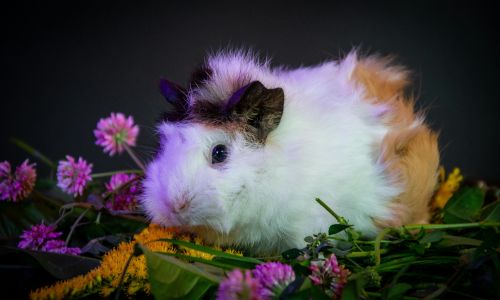
Here's everything you'll need to consider when setting up the perfect foraging tray filled with healthy snacks for your pet.
What to include in your foraging tray
When creating a foraging tray, our team at Barry's Vets advise that there are plenty of items to consider. You'll want to mix things up to keep your pets interested while providing a balanced diet. Here are some ideas to get you started:
- Hay: It's a staple for their diet and a great base for your foraging tray. Timothy hay is great, as it's high in fibre, low in calcium and excellent for maintaining healthy digestion and teeth.
- Herbs and leaves: Guinea pig and rabbit-safe fresh herbs like parsley and coriander, as well as dandelion leaves, are perfect for adding some variety and excitement. Leafy greens such as spring greens and kale are also great for rabbits.
- Veggies: Small pieces of fresh carrot, cucumber and peppers are ideal for hiding amongst the hay. Remove any leftovers to avoid spoilage. Keep carrot as an occasional treat, as it's high in sugar. Guinea pigs also need vitamin C every day, so peppers are a great choice for them.
- Edible flowers: Add small quantities of rabbit and guinea pig-safe flowers (if still growing), like pansies, violas and dandelions, that are free from chemicals. You can also grow rosemary, thyme and nasturtiums indoors, which can flower in winter with the right conditions and care.
- Keep it varied: Offer different textures and flavours to prevent boredom, including safe chew toys, and always balance their diet with hay as the main component. Rabbits also love to dig, so adding shredded paper or extra hay for them to burrow through makes the tray even more exciting.
Where to set up the foraging tray and what to use
You'll want to place the foraging tray in an area where your pets can access it easily. Make sure the spot is quiet and free from stress, allowing your pet to forage at their leisure. At Barry's Vets, we recommend using a tray with moderate depth and high edges to contain the foraging material and prevent mess.
For rabbits, a sturdy cardboard box or deeper tray gives them room to dig. If your rabbit is litter trained, our team in Dromore suggest using something that looks different from their litter tray, so they don't get confused.
Ready to create the perfect foraging tray?
The colder seasons don't have to be a boring time for your pet. With the right foraging tray, you can make sure they stay mentally stimulated, active and healthy throughout the season. For more advice, book an appointment with our veterinary team in Dromore.
Book an appointment now